GhAFoST Calls for Strategic Partnerships and Innovation to Transform Ghana’s Food Systems at 2026 AGM and Scientific Conference
- Post by: Michael Kwawu
- November 16, 2026
- No Comment
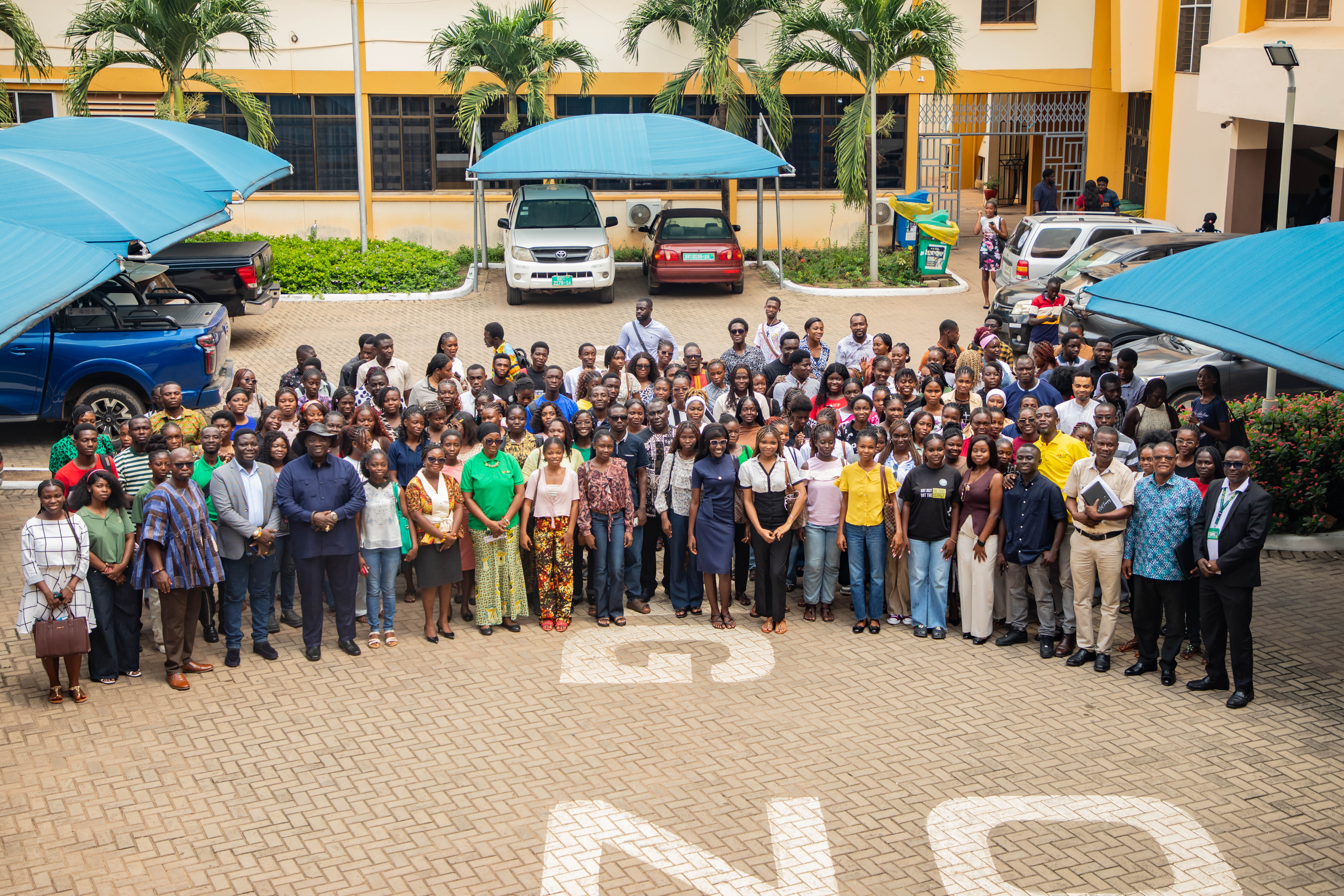
The Ghana Association of Food Scientists and Technologists (GhAFoST) has called for stronger collaboration among academia, industry, government, farmers, and development partners to advance sustainable food systems in Ghana. The call was made at the Association’s 3rd Annual General Meeting (AGM) and Scientific Conference, held on 29th October 2026 at the Kwame Nkrumah University of Science and Technology (KNUST), Kumasi, under the theme “Advancing Sustainable Food Systems through Strategic Partnerships and Innovation.”
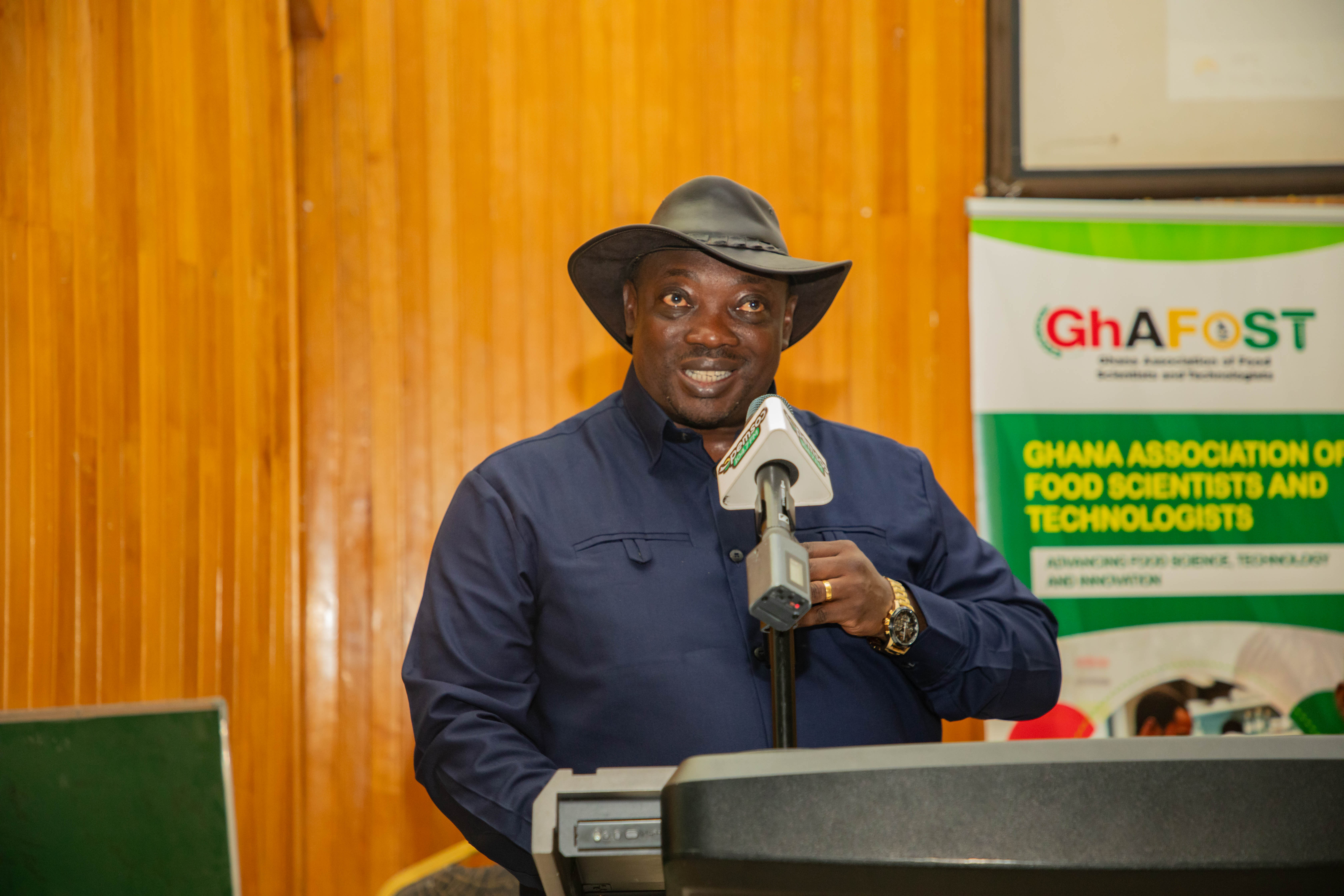
Prof. Emmanuel Ohene Afoakwa, President of GhAFoST, emphasized the need to move beyond isolated efforts and embrace collective action to address the challenges confronting Ghana’s food systems. He noted that issues such as climate change, environmental degradation, population growth, supply chain disruptions, and food safety concerns continue to strain food and nutrition security.
He further highlighted the gaps between agricultural production and the effective transformation of raw agricultural produce into safe, nutritious, affordable, and marketable food products. According to him, significant quantities of agricultural produce are lost between the farm and the consumer, while many small and medium-scale food enterprises face challenges accessing modern processing technologies, financing, quality assurance systems, and markets.
Prof. Afoakwa stressed that transforming Ghana’s food systems requires more than increased food production. It demands improvements in food processing, preservation, distribution, regulation, and resource management. He also encouraged members of the Association to actively participate in its programs, strengthen professional networks, and contribute to research, innovation, and national development.
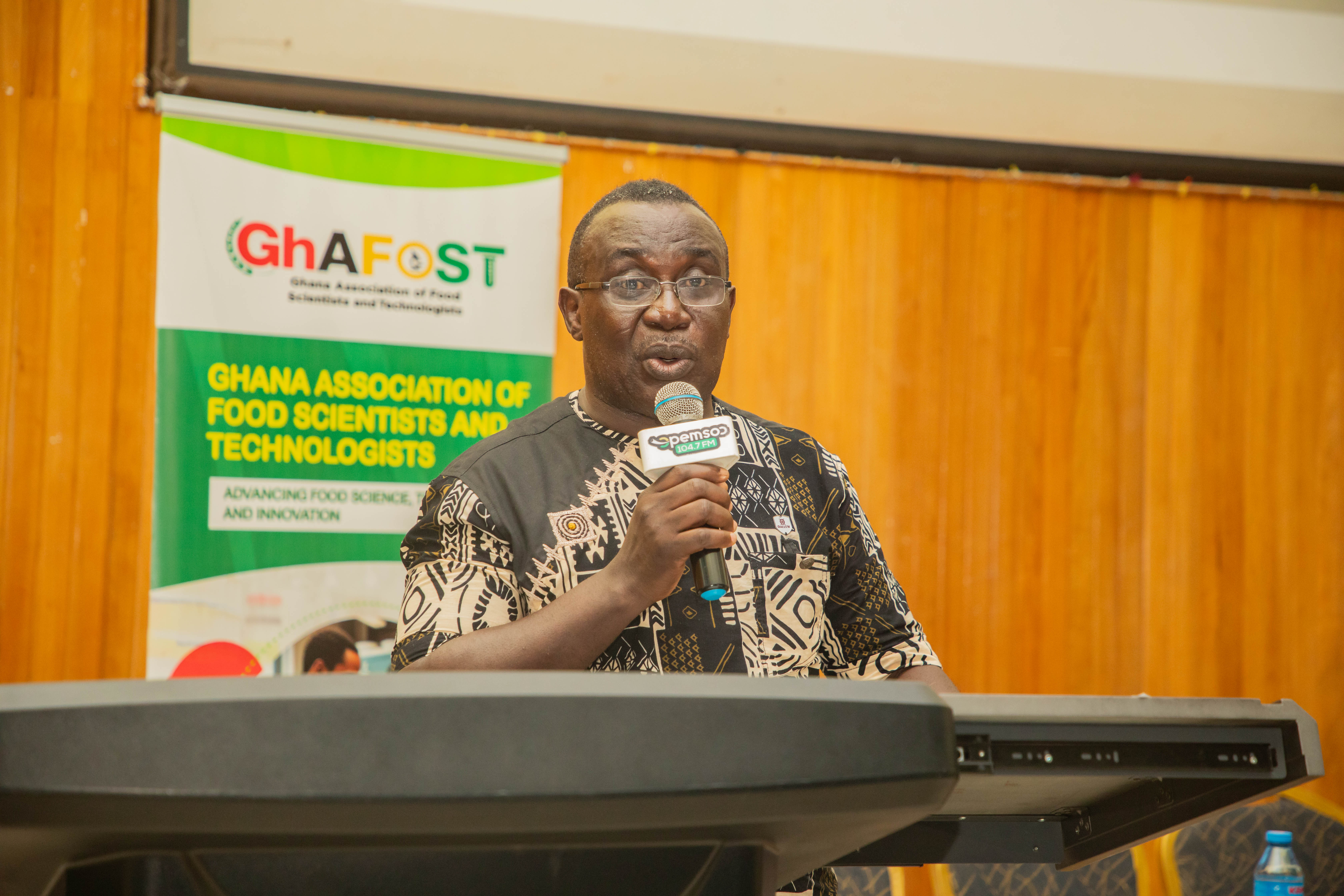
Delivering the keynote address on the conference theme, Mr. Kwasi Nyamekye, Chief Executive Officer of Vester Oil Mills Limited and former Chairman of the Association of Ghana Industries (AGI), Ashanti and Brong Ahafo Region, highlighted the importance of strategic partnerships and innovation in strengthening Ghana’s domestic food industry.
Mr. Nyamekye drew attention to Ghana’s dependence on imported food products, highlighting the reported annual expenditure of approximately US$3 billion on food imports. He indicated that directing a greater share of this expenditure into local value chains could strengthen domestic industries, create employment, improve food security, and reduce dependence on imported products.
He emphasized that a sustainable food system must ensure that food is consistently available, safe, affordable, nutritious, and accessible to all. Achieving this, he explained, requires coordinated efforts across the entire food value chain, from farming and processing to storage, transportation, distribution, and consumption.
The keynote speaker identified strategic partnerships among farmers, financial institutions, agro-processors, manufacturers, transport operators, retailers, research institutions, and government agencies as essential to improving the performance of the food sector. He also underscored the role of innovation through modern technologies, improved processing methods, efficient production systems, and new business models in increasing productivity, reducing costs, and improving product quality.
A key area of emphasis was the need to strengthen linkages between local farmers and food-processing businesses. Mr. Nyamekye highlighted challenges faced by farmers, including limited market access, inadequate storage facilities, unstable prices, and weak connections with processors. He encouraged businesses to communicate their raw material requirements while calling on government and development partners to support agricultural productivity, facilitate access to finance, and promote the purchase of locally produced raw materials.
He also drew attention to post-harvest losses and food waste, citing inadequate storage, poor transportation, insufficient cold-chain infrastructure, inappropriate packaging, and limited processing capacity as contributing factors. He noted that partnerships and investments in warehouses, cold storage, refrigerated transport, improved packaging and preservation technologies could help reduce these losses. Processing agricultural produce into products such as juices, dried foods, flour, and oils was also identified as an opportunity for value addition, job creation, and increased business revenue.
Mr. Nyamekye further stressed the importance of affordable financing for small and medium-scale enterprises (SMEs), particularly to enable them to acquire processing equipment, improve packaging, expand storage capacity, and maintain consistent production.
Both addresses reinforced the importance of translating scientific knowledge and innovation into practical solutions that respond to the needs of Ghana’s food industry. Prof. Afoakwa particularly emphasized that scientific conferences should serve not only as platforms for presenting research but also as opportunities to initiate collaborations, develop innovative projects, and influence national food policy and practice.
The conference concluded with a call for farmers, businesses, government, and development partners to embrace strategic partnerships, continuous innovation, investment, and collective responsibility. Such collaboration, as highlighted in the keynote presentation, can strengthen Ghana’s domestic food industry, improve food security, create employment opportunities, and position local businesses for regional and continental trade, including under the African Continental Free Trade Area (AfCFTA).
Through the 2026 AGM and Scientific Conference, GhAFoST reaffirmed its commitment to strengthening the food science and technology profession and contributing to the development of a safe, sustainable, innovative, and resilient food system for Ghana.